
 Contact
 How to shop

Delivery
Shopping guide
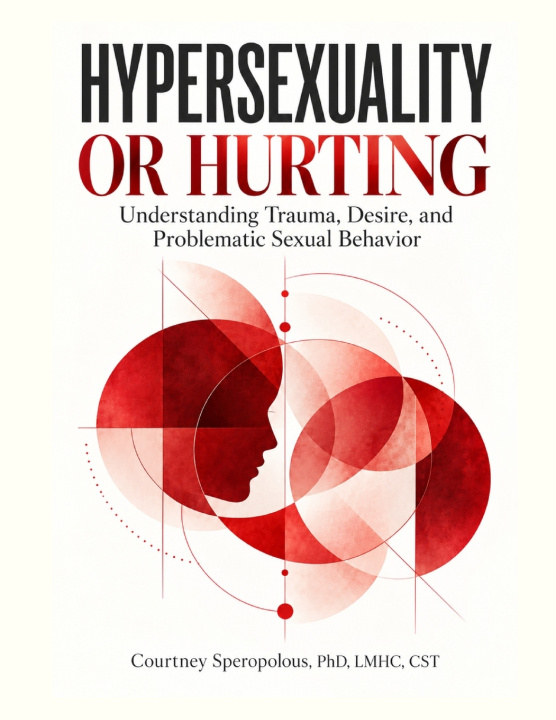
Hypersexuality or Hurting
Understanding Trauma, Desire, & Problematic Sexual Behavior: Understanding Trauma, Compulsive Sexual Behavior, and the Path to Sexual Healing
 English
 71 b
 Coming soon
 New
Up to 30 days for returns

When does sexual desire become distress, and what might the behavior be helping someone cope with?
Sexual behavior that feels difficult to control can leave people struggling with shame, secrecy, relationship conflict, and unanswered questions. Labels such as "hypersexuality," "sex addiction," and "porn addiction" may describe a concern without fully explaining the person's experience.
Hypersexuality or Hurting: Understanding Trauma, Desire, and Problematic Sexual Behavior explores these questions through contemporary research, trauma-informed care, attachment theory, and sex therapy perspectives.
Written by Courtney Speropolous, PhD, LMHC, CST, a licensed mental health counselor, certified sex therapist, and private practice owner, this accessible book examines how trauma, emotional distress, learned patterns, and relationship experiences may intersect with problematic sexual behavior-while recognizing that trauma is one of several possible pathways.
Inside, you'll explore:
Hypersexuality and compulsive sexual behavior: Understanding impaired control, distress, and the difference between high sexual desire and problematic behavior.
Trauma and sexual coping: Examining how childhood adversity, sexual abuse, and other traumatic experiences may influence sexuality.
Attachment and intimacy: Exploring connections among attachment insecurity, fear of rejection, emotional disconnection, and sexual behavior.
Problematic pornography use: Considering patterns of use, motivations, consequences, and the experience of feeling "addicted."
Shame and moral incongruence: Understanding how conflicts between sexual behavior and personal beliefs can contribute to distress.
Emotion regulation: Examining the role sexual behavior may play in coping with loneliness, anxiety, painful memories, and difficult emotions.
Assessment and recovery: Considering individualized, trauma-informed approaches that support sexual well-being, accountability, and meaningful change.
For mental health professionals, sex therapists, survivors, partners, and readers seeking to understand their own experiences, this book connects clinical concepts with accessible explanations. It encourages readers to look beyond assumptions, distinguish sexual diversity from dysfunction, and consider the context surrounding a person's behavior.
Neither a single diagnosis nor a single theory can explain every experience of sexual distress. Understanding requires attention to the behavior, its consequences, and the person living with it.
Look beyond the label. Understand the patterns. Discover a more compassionate perspective on sexuality and recovery.


About the book
English
Categories

Give this book today
It's easy
1 Add to cart and choose Deliver as present at the checkout 2 We'll send you a voucher 3 The book will arrive at the recipient's addressHi! I'm Libroamiko, your book advisor.
How can I help you?