
 Contact
 How to shop
Delivery
Shopping guide
 English
 90 b
90 b
Up to 30 days for returns

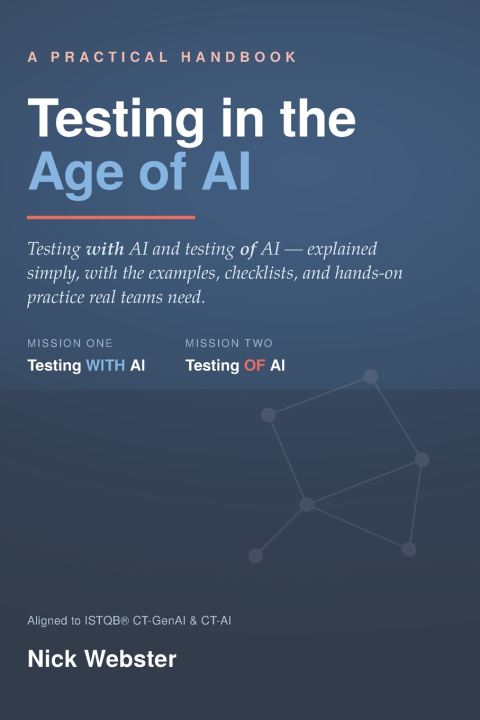
The evolution of software testing has been a remarkable journey, re ecting the rapid advancements in technology and the increasing complexity of software applications. In the early days, testing was primarily a manual process, where testers executed test cases without the assistance of sophisticated tools. The primary focus was on functionality, ensuring that the software met the speci ed requirements. However, as software systems grew in size and intricacy, the limitations of manual testing became apparent, necessitating a shift towards more automated approaches. With the advent of automation tools in the late 20th century, software testing began to transform signi cantly. Automation allowed for the execution of repetitive test cases, reducing the time and effort required to validate software functionality. Test managers and quality assurance engineers embraced these tools, leading to an increase in test coverage and a decrease in human error. This era marked the beginning of a new paradigm in testing, where automation became a vital component in the quality assurance process. 4 The introduction of arti cial intelligence (AI) in software testing has further revolutionised the eld. AI-driven approaches enabled automated test case generation, leveraging machine learning algorithms to create tests based on historical data and application behaviour. This not only accelerated the testing process but also improved the accuracy of test cases, as AI could identify patterns and anomalies that human testers might overlook. The integration of AI into testing practices has become essential for organisations aiming to keep pace with the rapid development cycles of modern software.


About the book
English

Give this book today
It's easy
1 Add to cart and choose Deliver as present at the checkout 2 We'll send you a voucher 3 The book will arrive at the recipient's addressHi! I'm Libroamiko, your book advisor.
How can I help you?