
 Contact
 How to shop
Delivery
Shopping guide
 English
 36 b
36 b
 New
New
Up to 30 days for returns

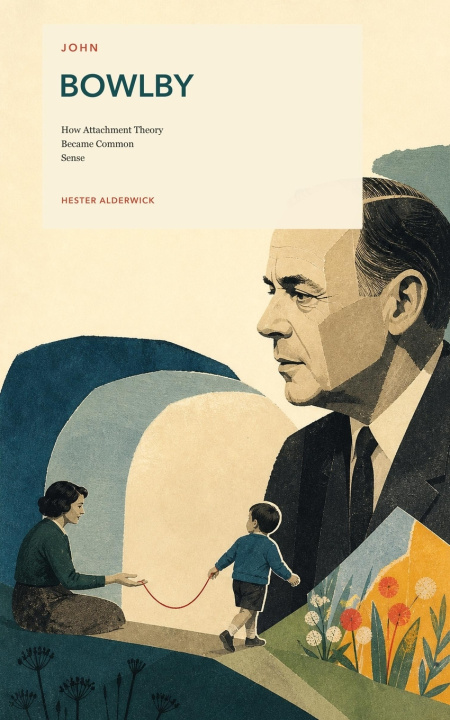
Almost everyone uses the word attachment. Very few could say what it was originally meant to describe.
In 1944 a young psychiatrist published a study of forty-four juvenile thieves and reported that a striking number of them had been separated from their mothers early in life. Seven years later the World Health Organization asked him to report on homeless children, and a technical document turned into a cultural instruction. Within a generation the idea had reached hospital wards, adoption law and nursery policy, and it had also been pressed into service in arguments about whether mothers should go out to work at all.
This book follows the idea rather than the man. It sets out where the evidence was strong and where it was thin, what Bowlby himself claimed and what was added by others, and what the observational work of Mary Ainsworth supplied that he could not have produced alone. It traces how the theory was loaded with politics on its way into public life and how it was gradually unloaded again, and it reports what fifty years of later research have confirmed, corrected or quietly dropped.
It is a work of intellectual history. It offers no advice, no diagnosis and no verdict on any reader's childhood, and it treats the biographical explanation of a theory from the life of the man who made it as a temptation to be handled with care rather than a key.


About the book
English
