
 Contact
 How to shop
Delivery
Shopping guide
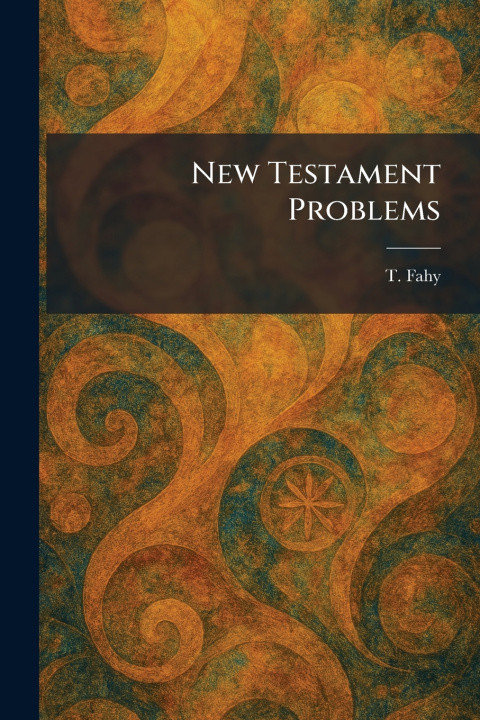
New Testament Problems
 English
 44 b
44 b
30-day return policy

"New Testament Problems" is a rigorous scholarly exploration of the complexities and interpretative challenges found within the Christian scriptures. Written by T. Fahy, this work offers a detailed investigation into specific passages of the Gospels and Epistles that have historically presented difficulties for theologians and students alike.
The text focuses on resolving linguistic nuances, apparent contradictions, and obscure historical references through careful exegesis and a deep understanding of the original Greek sources. By addressing these "problems" with methodical precision, the author seeks to provide clarity and a deeper theological understanding of the sacred narratives. Fahy's analysis spans a variety of topics, including the parables of Jesus, the chronology of the Passion, and the doctrinal implications of various apostolic writings.
This volume serves as an essential resource for those interested in the history of Biblical criticism and the development of 20th-century scriptural studies. It remains a valuable tool for readers looking to engage with the New Testament on a deeper intellectual and spiritual level, providing insights that continue to resonate within the field of Catholic scholarship.
This work has been selected by scholars as being culturally important, and is part of the knowledge base of civilization as we know it. This work was reproduced from the original artifact, and remains as true to the original work as possible. Therefore, you may see the original copyright references, library stamps (as most of these works have been housed in our most important libraries around the world), and other notations in the work.
This work is in the public domain in the United States of America, and possibly other nations. Within the United States, you may freely copy and distribute this work, as no entity (individual or corporate) has a copyright on the body of the work.
As a reproduction of a historical artifact, this work may contain missing or blurred pages, poor pictures, errant marks, etc. Scholars believe, and we concur, that this work is important enough to be preserved, reproduced, and made generally available to the public. We appreciate your support of the preservation process, and thank you for being an important part of keeping this knowledge alive and relevant.


About the book
English
