
 Contact
 How to shop
Delivery
Shopping guide
Object Drawing
 English
 41 b
41 b
30-day return policy

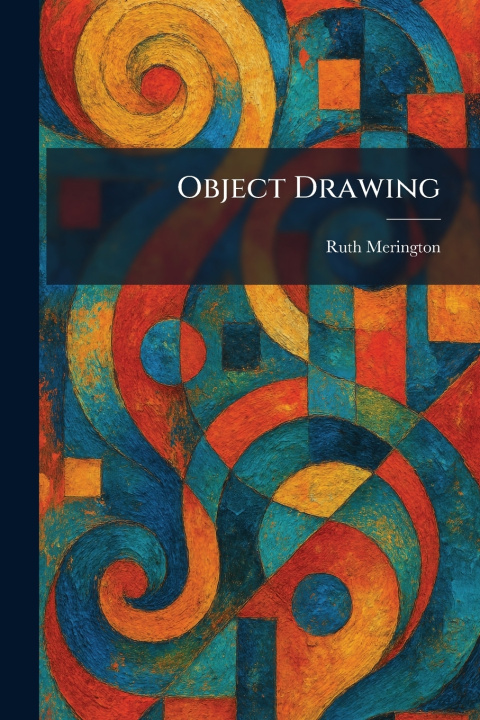
"Object Drawing" by Ruth Merington is a comprehensive guide designed to master the fundamentals of sketching and representing physical forms. This work focuses on the essential principles of light, shade, perspective, and proportion. Merington provides a structured approach to observing and translating three-dimensional objects onto a two-dimensional surface, making it an invaluable resource for both students and instructors.
The text delves into the technical aspects of drawing, emphasizing the importance of accurate observation and the development of a disciplined eye. By breaking down complex shapes into manageable components, the author guides the reader through the process of capturing the essence of various objects with precision and artistic flair. Whether dealing with simple geometric solids or more intricate everyday items, the methods outlined in this book serve to build a solid foundation in the visual arts.
"Object Drawing" stands as a testament to classic art pedagogy, offering timeless techniques that remain relevant for contemporary artists seeking to refine their representational skills. Its clear instructions and focus on the core mechanics of drawing make it a staple for anyone interested in the traditional study of fine art and draftsmanship.
This work has been selected by scholars as being culturally important, and is part of the knowledge base of civilization as we know it. This work was reproduced from the original artifact, and remains as true to the original work as possible. Therefore, you may see the original copyright references, library stamps (as most of these works have been housed in our most important libraries around the world), and other notations in the work.
This work is in the public domain in the United States of America, and possibly other nations. Within the United States, you may freely copy and distribute this work, as no entity (individual or corporate) has a copyright on the body of the work.
As a reproduction of a historical artifact, this work may contain missing or blurred pages, poor pictures, errant marks, etc. Scholars believe, and we concur, that this work is important enough to be preserved, reproduced, and made generally available to the public. We appreciate your support of the preservation process, and thank you for being an important part of keeping this knowledge alive and relevant.


About the book
English
Categories
