
 Contact
 How to shop
Delivery
Shopping guide
 English
 278 b
278 b
30-day return policy
Customers also purchased






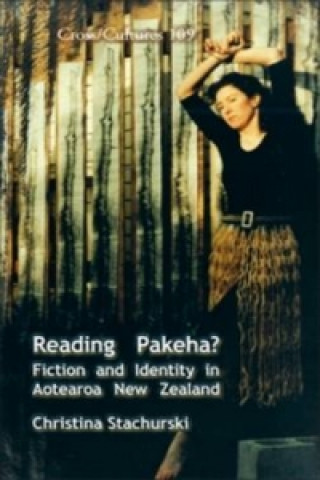
Aotearoa New Zealand, a tiny Pacific country is of great interest to those engaged in postcolonial and literary studies throughout the world. In all former colonies, myths of national identity are vested with various interests. Shifts in collective Pakeha (or New Zealand-European) identity have been marked by the phenomenal popularity of three novels, each at a time of massive social change. Late-colonialism, anti-imperialism, and the collapse of the idea of a singular 'nation' can be traced through the reception of John Mulgan's Man Alone (1939), Keri Hulme's the bone people (1983), and Alan Duff's Once Were Warriors (1990). Yet close analysis of these three novels also reveals marginalization and silencing in claims to singular Pakeha identity and a linear development of settler acculturation. Such a dynamic resonates with that of other 'settler' cultures - the similarities and differences telling in comparison. Specifically, Reading Pakeha? Fiction and Identity in Aotearoa New Zealand explores how concepts of race and ethnicity intersect with those of gender, sex, and sexuality. This book also asks whether 'Pakeha' is still a meaningful term.


About the book
English
Categories

Give this book today
It's easy
1 Add to cart and choose Deliver as present at the checkout 2 We'll send you a voucher 3 The book will arrive at the recipient's addressYou might also be interested in

Hi! I'm Libroamiko, your book advisor.
How can I help you?