
 Contact
 How to shop
Delivery
Shopping guide
 English
 34 b
34 b
 Coming soon
 New
New
 Expected 01. 08. 2026
Up to 30 days for returns

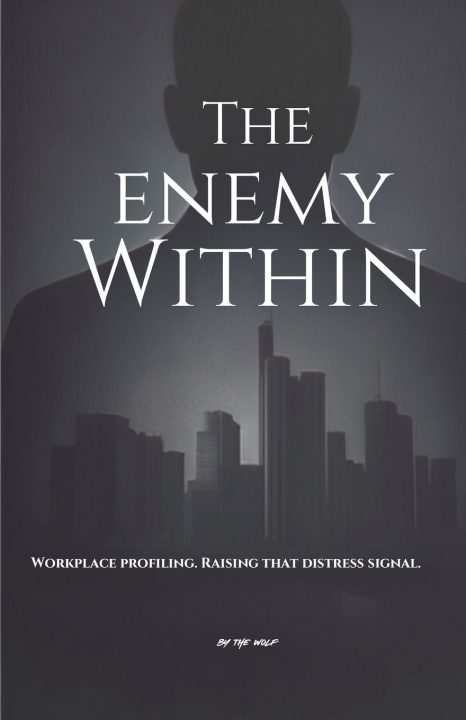
Every workplace faces problems. Companies use various methods to
address these issues and resolve employee concerns. Yet, conflict
remains. Many issues cannot be solved by manuals or posters. Most
workplace problems stem from employer-employee relations and the
unspoken rules of engagement, an unspoken language.
exercises, but by understanding how our actions affect others, and
how others affect us. As living forces, we reshape an organization's
emotional climate.
We spend more time at home than anywhere else, except for work.
When at work, we like to believe work is rational and safe, shaped by
logic, performance, and measurable outcomes.
Yet beneath the spreadsheets and meetings lies something less pre-
dictable: human nature. The assertive leader who inspires workflow
can, under pressure, become domineering. A careful employee who
works hard to ensure quality can, at times, stifle someone else's
creativity. The easygoing worker seeks harmony but may sometimes
dodge needed conflicts just to get through the day. These are not isolated
incidents-this behavior forms the human chain. Where each person
falls on this chain affects productivity and psychological impact. Profiling
personalities at work helps us understand a person's vulnerabilities and
strengths. These insights help us optimize. They let us build stronger
teams, improve communication, and boost efficiency. If negative
ivpersonalities aren't managed, they can cause lasting emotional scars.
Repeated interactions, like dismissive comments and unpredictable
moods, create lasting impressions. These impressions shape our
expectations. They can also affect whether people engage, speak out,
or pull back. To find the cause of workforce trauma, look for patterns.
Don't focus on dramatic events. For example, a high-pressure manager
may confuse with praise and criticism. This can make employees hyper-
vigilant and paranoid. A disengaged leader can create quiet resentment,
while a competitive peer can erode trust over time. Every moment may
seem small, but together, they shape a world where disruption is normal.
People often do not notice these shifts immediately.


About the book

Give this book today
It's easy
1 Add to cart and choose Deliver as present at the checkout 2 We'll send you a voucher 3 The book will arrive at the recipient's addressHi! I'm Libroamiko, your book advisor.
How can I help you?