
 Contact
 How to shop
Delivery
Shopping guide
Wealth, Property, and Moral Order
Economics in Hinduism and the Biblical Worldview
 English
 29 b
29 b
 New
New
Up to 30 days for returns

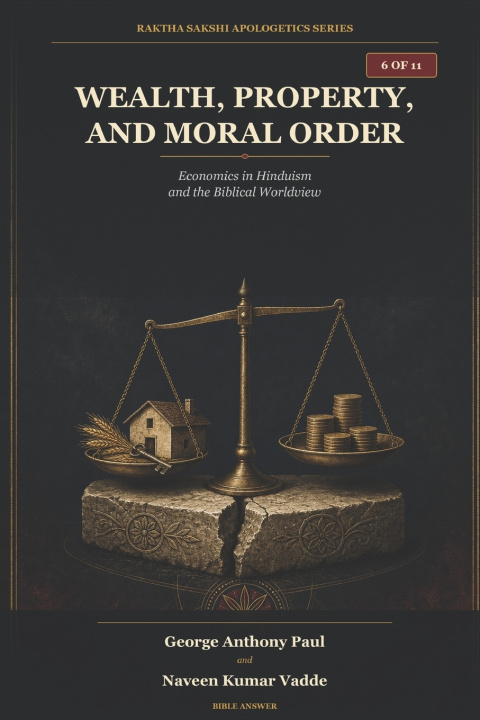
Wealth, Property, and Moral Order
Economics in Hinduism and the Biblical Worldview
Can an economic order be just when people enter it with unequal legal capacity, inherited duties, and ranked claims to property?
Hindu texts speak seriously about artha, possession, renunciation, sacrifice, debt, interest, wages, contracts, inheritance, gifts, temples, recipients, and merit. They contain practical rules and memorable calls to generosity. But those teachings do not float above the social order. They operate within assumptions about varṇa, household status, ritual worth, and religious reward.
This volume asks who may own, inherit, contract, receive, give, and judge. Does charity correct structural inequality-or make merit from it? Does renunciation answer economic injustice-or leave the institution untouched? When gifts are ranked by the status of the recipient, is generosity serving the poor or reinforcing sacred prestige?
The book compares law, epic, ritual, and statecraft materials while granting genuine moral insight where it appears. Its criticism is not that every Hindu economic rule is foolish. Its criticism is that no rule can become universally just while human worth and legal standing remain stratified.
The biblical worldview begins elsewhere: the earth is the Lord's, property is stewardship, theft and partiality are sins, laborers deserve their wages, rulers are judged, and generosity flows from grace rather than karmic calculation.


About the book
English
Categories

Give this book today
It's easy
1 Add to cart and choose Deliver as present at the checkout 2 We'll send you a voucher 3 The book will arrive at the recipient's addressHi! I'm Libroamiko, your book advisor.
How can I help you?