
 Contact
 Comment faire ses achats

Livraison
Guide d'achat
 Anglais
 50 b
Les clients ont également acheté












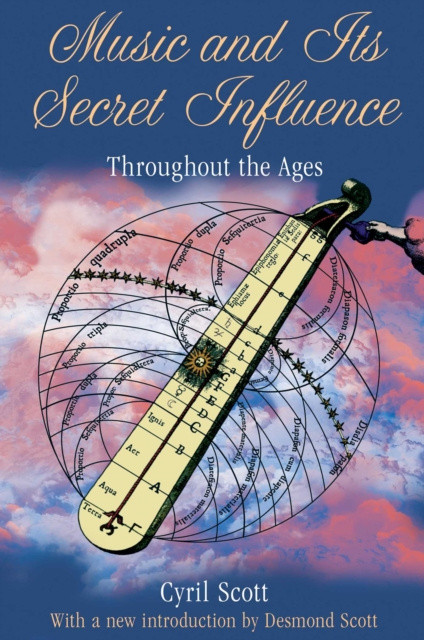
The role of music in the evolution of humanity *; Reveals how a hierarchy of initiates, evolved spiritual intelligences, and devas actively influenced the musical compositions of geniuses to transmit great truths through music *; Explores the influence of the classical composers Bach, Handel, Beethoven, Mendelssohn, Chopin, Schumann, Wagner, and Strauss--from Beethoven's influence on the creation of psychoanalysis to Chopin's musical influence on the emancipation of women Composer and author Cyril Scott explores the role of music in the evolution of humanity and shows how it has pushed human evolution forward. He explains that music has a profound effect on history, morals, and culture and is a more potent force in the molding of character than religious creeds or moral philosophies. Whereas mediocre musicians reflect only their own times, inspired ones help determine the character of the future. Exploring the works of classical composers such as Bach, Handel, Beethoven, Mendelssohn, Schumann, Chopin, Wagner, and Strauss, Scott reveals how their compositions were actively influenced by a hierarchy of initiates, evolved spiritual intelligences, and devas to make the way fertile for human spiritual evolution. Scott explains how humans are composed not only of a physical body, emotional body, and a mental body but also a sensation body that acts as the bridge between the physical realm and the hierarchy of initiates. Scott shows how the music of great composers affects not only those listening but also society as a whole--from Beethoven's influence on the creation of psychoanalysis to Chopin's musical influence on the emancipation of women.


À propos du livre
Anglais

Offrez ce livre dès aujourd'hui
C’est simple
1 Ajouter au panier et choisir l'option Livrer comme cadeau à la caisse. 2 Nous vous enverrons un bon d'achat 3 Le livre arrivera à l'adresse du destinataireCeci pourrait également vous intéresser









 /
 Adobe ePub DRM
 119.43
€
 /
Adobe ePub DRM
11.44
€










 /
 Livre de poche
8.42
€
 /
Livre relié
35.13
€
Bonjour ! Je suis Libroamiko, votre conseiller littéraire.
Comment puis-je vous aider ?