
 Contact
 Comment faire ses achats
Livraison
Guide d'achat
 Anglais
 102 b
102 b
Jusqu'à 30 jours pour les retours
Les clients ont également acheté

 /
/
 Livre de poche
 23.99
€
23.99
€

 /
Livre de poche
55.19
€
/
Livre de poche
55.19
€
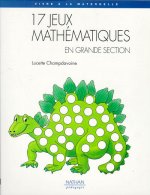



All societies develop their own norms about what is fair behaviour and what is not. Violations of these norms, including acts of corruption, can collectively be described as forms of 'grabbing'. This unique volume addresses how grabbing hinders development at the sector level and in state administration. The contributors - researchers and practitioners who work on the ground in developing countries - present empirical data on the mechanisms at play and describe different types of unethical practices. The book's sixteen case studies explore why certain practices constitute forms of grabbing, what implications they have for the achievement of development goals, and how policy options should take the characteristics of grabbing into account. A broad range of sectors are covered, including extractive industries, construction, ports, utilities, finance, health, pharmaceuticals and education. The authors discuss political checks and balances, democratic elections and the law enforcement system, as well as the government's role in the allocation of land and as a development partner in other countries. The volume's original approach makes it a valuable resource for researchers and students interested in development, economics, governance and corruption. Development aid practitioners, as well as politicians and public officials in developing countries, will find it a useful aid in their work.


À propos du livre
Anglais

Offrez ce livre dès aujourd'hui
C’est simple
1 Ajouter au panier et choisir l'option Livrer comme cadeau à la caisse. 2 Nous vous enverrons un bon d'achat 3 Le livre arrivera à l'adresse du destinataireCeci pourrait également vous intéresser


 /
Livre de poche
12.14
€
/
Livre de poche
12.14
€


Bonjour ! Je suis Libroamiko, votre conseiller littéraire.
Comment puis-je vous aider ?