
 Contact
 Comment faire ses achats
Livraison
Guide d'achat
Dead
 Anglais
 33 b
33 b
Jusqu'à 30 jours pour les retours
Les clients ont également acheté








 /
/
 Livre de poche
 12.64
€
12.64
€

 /
Feuille
16.68
€
/
Feuille
16.68
€
 /
Livre de poche
12.74
€
/
Livre de poche
12.74
€

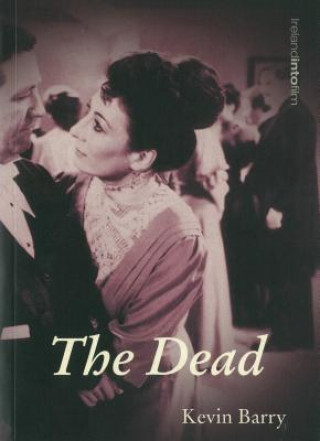
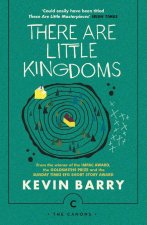
In a letter to his brother in 1906, James Joyce confessed: 'Sometimes thinking of Ireland it seems to me that I have been unnecessarily harsh. I have not been just to its beauty'. One reason for the composition of The Dead in 1907 was to compensate for this injustice and to add a new and quite different conclusion to his collection of short stories, Dubliners. Why Joyce felt compelled to change his view of Ireland, and how his narrative technique evolved to accommodate this change, becomes one of the focal points for this illuminating study. Furthermore, why John Huston felt compelled to adapt The Dead, and how he did so, provides another enlightening context. Although eighty years separate Huston's film from Joyce's text, the presence of Joyce's story can be found earlier in European cinema, in Roberto Rossellini's Voyage in Italy (1953). Kevin Barry here explores the extraordinary relationships between these three works, and the radically different aesthetics of fidelity and infidelity practiced by these exemplary artists of the twentieth century.


À propos du livre
Anglais

Offrez ce livre dès aujourd'hui
C’est simple
1 Ajouter au panier et choisir l'option Livrer comme cadeau à la caisse. 2 Nous vous enverrons un bon d'achat 3 Le livre arrivera à l'adresse du destinataireCeci pourrait également vous intéresser
 /
Livre de poche
14.76
€
/
Livre de poche
14.76
€

 /
Livre de poche
17.49
€
/
Livre de poche
17.49
€

 /
Livre de poche
19.32
€
/
Livre de poche
19.32
€



 /
Livre relié
169.97
€
/
Livre relié
169.97
€

 /
Livre de poche
12.33
€
/
Livre de poche
12.33
€
Bonjour ! Je suis Libroamiko, votre conseiller littéraire.
Comment puis-je vous aider ?