
 Contact
 Comment faire ses achats
Livraison
Guide d'achat
Misere
 Anglais
 69 b
69 b
Jusqu'à 30 jours pour les retours
Les clients ont également acheté











 /
/
 Livre relié
 56.20
€
56.20
€


 /
Livre de poche
10.10
€
/
Livre de poche
10.10
€


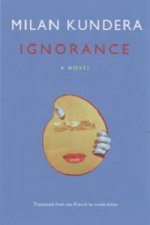

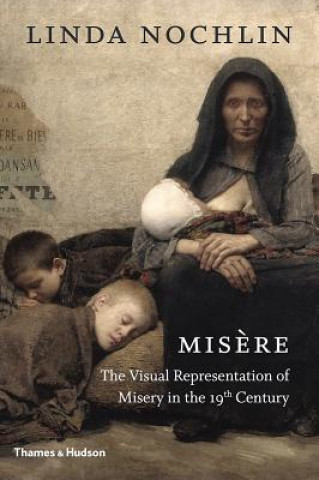
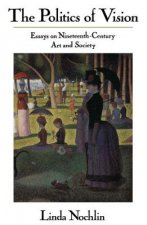
The coming of the Industrial Revolution in the early 19th century witnessed unprecedented changes in society: rapid economic progress went hand-in-hand with appalling working conditions, displacement, squalor and destitution for those at the bottom of the social scale. These new circumstances presented a challenge to contemporary image-makers, who wished to capture the effects of hunger, poverty and alienation in Britain, Ireland and France in the era before documentary photography. In this groundbreaking book, the eminent art historian Linda Nochlin examines the styles and expressive strategies that were used by artists and illustrators to capture this mis?re, roughly characterized as poverty that afflicts both body and soul. She investigates images of the Irish Famine in the period 1846–51; the gendered representation of misery, particularly of poor women and prostitutes; and the work of three very different artists: Théodore Géricault, Gustave Courbet and the less wellknown Fernand Pelez. The artists’ desire to depict the poor and the outcast accurately and convincingly is still a pertinent issue, though now, as Nochlin observes, the question has a moral and ethical dimension – does the documentary style belittle its subjects and degrade their condition?Table of ContentsMis?re: An Introduction • 1. Mis?re: The Irish Paradigm • 2. The Gender of Misery •3. Géricault, Goya and the Representation of Misery • 4. Representing Misery: Courbet’sBeggar Woman • 5. Fernand Pelez: Master of Miserable Old Men • Conclusion


À propos du livre
Anglais

Offrez ce livre dès aujourd'hui
C’est simple
1 Ajouter au panier et choisir l'option Livrer comme cadeau à la caisse. 2 Nous vous enverrons un bon d'achat 3 Le livre arrivera à l'adresse du destinataireCeci pourrait également vous intéresser
















Bonjour ! Je suis Libroamiko, votre conseiller littéraire.
Comment puis-je vous aider ?