Contact
 Comment faire ses achats
Livraison
Guide d'achat
Peanuts
 Anglais
 486 b
486 b
Jusqu'à 30 jours pour les retours
Les clients ont également acheté

 /
/
 Livre de poche
 20.16
€
20.16
€


 /
Livre de poche
16.51
€
/
Livre de poche
16.51
€




 /
/
 Adobe ePub DRM
42.05
€
Adobe ePub DRM
42.05
€










 /
Livre de poche
30.90
€
/
Livre de poche
30.90
€


 /
/
 Jeu
34.35
€
Jeu
34.35
€

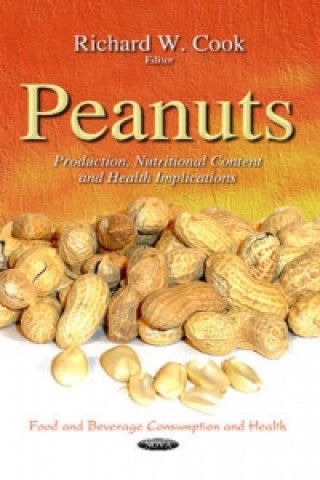
Peanuts are among the most popular oilseeds in the world. When their price is considered, they present a competitive advantage in comparison to other nuts such as macadamia, walnuts, hazelnuts, Brazil nuts and cashew nuts. Peanuts are a good source of protein, and, depending on the cultivar, may render amounts of up to 80% unsaturated fatty acids. Tocopherol, also known as vitamin E, is found in high concentration in peanuts. Furthermore, peanuts are recognised by their high polyphenol contents. Phenolic compounds from several classes, namely, phenolic acids, flavonoids, and stilbenes have been identified in peanuts. Polyphenols have antimicrobial, anti-inflammatory, anticarcinogenic, and antioxidant properties. As such, peanuts may be beneficial to consumers through the prevention of chronic diseases. This book discusses information regarding the nutritional and possible nutraceutical potential of peanuts and peanut products, as well as the anticipated impacts of production of new cultivars and processing on their content. The value of peanuts as a source of nutrients and nutraceuticals, and its production is also highlighted and discussed.


À propos du livre
Anglais

Offrez ce livre dès aujourd'hui
C’est simple
1 Ajouter au panier et choisir l'option Livrer comme cadeau à la caisse. 2 Nous vous enverrons un bon d'achat 3 Le livre arrivera à l'adresse du destinataireCeci pourrait également vous intéresser
 /
Livre de poche
17.12
€
/
Livre de poche
17.12
€






 /
Livre de poche
8.60
€
/
Livre de poche
8.60
€






 /
Livre de poche
7.89
€
/
Livre de poche
7.89
€