
 Contact
 Comment faire ses achats
Livraison
Guide d'achat
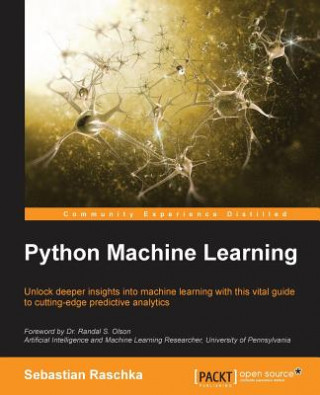
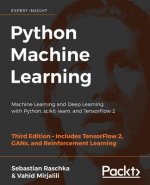
Python Machine Learning
 Anglais
 120 b
120 b
Politique de retour sous 30 jours
Les clients ont également acheté



Unlock deeper insights into Machine Leaning with this vital guide to cutting-edge predictive analytics
Key Features
Book Description
Machine learning and predictive analytics are transforming the way businesses and other organizations operate. Being able to understand trends and patterns in complex data is critical to success, becoming one of the key strategies for unlocking growth in a challenging contemporary marketplace. Python can help you deliver key insights into your data - its unique capabilities as a language let you build sophisticated algorithms and statistical models that can reveal new perspectives and answer key questions that are vital for success.
Python Machine Learning gives you access to the world of predictive analytics and demonstrates why Python is one of the world's leading data science languages. If you want to ask better questions of data, or need to improve and extend the capabilities of your machine learning systems, this practical data science book is invaluable. Covering a wide range of powerful Python libraries, including scikit-learn, Theano, and Keras, and featuring guidance and tips on everything from sentiment analysis to neural networks, you'll soon be able to answer some of the most important questions facing you and your organization.
What you will learn
Who this book is for
If you want to find out how to use Python to start answering critical questions of your data, pick up Python Machine Learning - whether you want to get started from scratch or want to extend your data science knowledge, this is an essential and unmissable resource.


À propos du livre
Anglais
Catégories

Offrez ce livre dès aujourd'hui
C’est simple
1 Ajouter au panier et choisir l'option Livrer comme cadeau à la caisse. 2 Nous vous enverrons un bon d'achat 3 Le livre arrivera à l'adresse du destinataireCeci pourrait également vous intéresser







 /
/
 Livre de poche
 65.62
€
65.62
€
 /
Livre de poche
79.45
€
/
Livre de poche
79.45
€



Bonjour ! Je suis Libroamiko, votre conseiller littéraire.
Comment puis-je vous aider ?