
 Contact
 Comment faire ses achats
Livraison
Guide d'achat
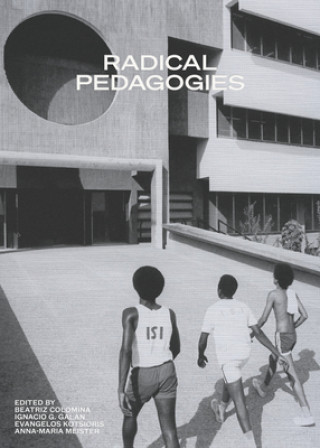
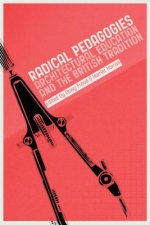
Radical Pedagogies
 Anglais
 109 b
109 b
Jusqu'à 30 jours pour les retours
Les clients ont également acheté





 /
/
 Livre de poche
 19.77
€
19.77
€









Experiments in architectural education in the postWorld War II era that challenged and transformed architectural discourse and practice.
In the decades after World War II, new forms of learning transformed architectural education. These radical experiments sought to upend disciplinary foundations and conventional assumptions about the nature of architecture as much as they challenged modernist and colonial norms, decentered building, imagined new roles for the architect, and envisioned participatory forms of practice. Although many of the experimental programs were subsequently abandoned, terminated, or assimilated, they nevertheless helped shape and in some sense define architectural discourse and practice. This book explores and documents these radical pedagogies and efforts to defy architectures status quo.
The experiments include the adaptation of Bauhaus pedagogy as a means of unlearning under the conditions of decolonization in Africa; a movement to design for every body, including the disabled, by architecture students and faculty at the University of California, Berkeley; the founding of a support network for women interested in the built environment, regardless of their academic backgrounds; and a design studio in the USSR that offered an alternative to the widespread functionalist approach in Soviet design. Viewed through their dissolution and afterlife as well as through their founding stories, these projects from the last century raise provocative questions about architectures role in the new century.


À propos du livre
Anglais
Catégories

Offrez ce livre dès aujourd'hui
C’est simple
1 Ajouter au panier et choisir l'option Livrer comme cadeau à la caisse. 2 Nous vous enverrons un bon d'achat 3 Le livre arrivera à l'adresse du destinataireCeci pourrait également vous intéresser

 /
Livre de poche
51.50
€
/
Livre de poche
51.50
€



 /
Livre de poche
20.07
€
/
Livre de poche
20.07
€

 /
Livre de poche
44.27
€
/
Livre de poche
44.27
€





Bonjour ! Je suis Libroamiko, votre conseiller littéraire.
Comment puis-je vous aider ?