
 Contact
 Comment faire ses achats
Livraison
Guide d'achat
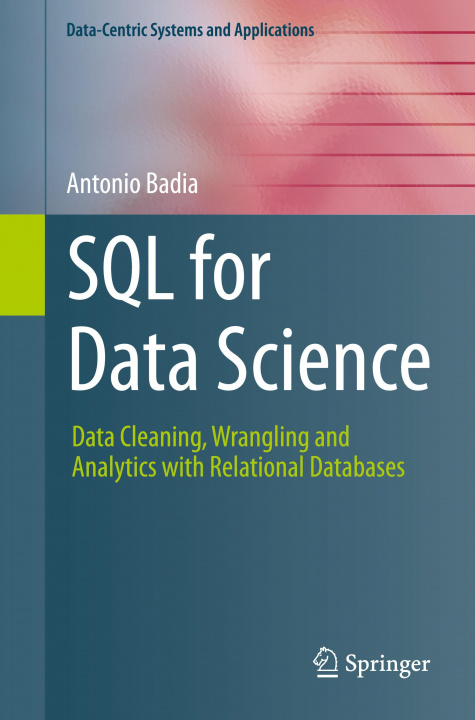
SQL for Data Science
 Anglais
 96 b
96 b
Jusqu'à 30 jours pour les retours
Les clients ont également acheté

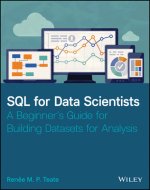
This textbook explains SQL within the context of data science and introduces the different parts of SQL as they are needed for the tasks usually carried out during data analysis. Using the framework of the data life cycle, it focuses on the steps that are very often given the short shift in traditional textbooks, like data loading, cleaning and pre-processing.The book is organized as follows. Chapter 1 describes the data life cycle, i.e. the sequence of stages from data acquisition to archiving, that data goes through as it is prepared and then actually analyzed, together with the different activities that take place at each stage. Chapter 2 gets into databases proper, explaining how relational databases organize data. Non-traditional data, like XML and text, are also covered. Chapter 3 introduces SQL queries, but unlike traditional textbooks, queries and their parts are described around typical data analysis tasks like data exploration, cleaning and transformation. Chapter 4 introduces some basic techniques for data analysis and shows how SQL can be used for some simple analyses without too much complication. Chapter 5 introduces additional SQL constructs that are important in a variety of situations and thus completes the coverage of SQL queries. Lastly, chapter 6 briefly explains how to use SQL from within R and from within Python programs. It focuses on how these languages can interact with a database, and how what has been learned about SQL can be leveraged to make life easier when using R or Python. All chapters contain a lot of examples and exercises on the way, and readers are encouraged to install the two open-source database systems (MySQL and Postgres) that are used throughout the book in order to practice and work on the exercises, because simply reading the book is much less useful than actually using it.This book is for anyone interested in data science and/or databases. It just demands a bit of computer fluency, but no specific background on databases or data analysis. All concepts are introduced intuitively and with a minimum of specialized jargon. After going through this book, readers should be able to profitably learn more about data mining, machine learning, and database management from more advanced textbooks and courses.


À propos du livre
Anglais

Offrez ce livre dès aujourd'hui
C’est simple
1 Ajouter au panier et choisir l'option Livrer comme cadeau à la caisse. 2 Nous vous enverrons un bon d'achat 3 Le livre arrivera à l'adresse du destinataireCeci pourrait également vous intéresser
 /
/
 Livre de poche
 37.89
€
37.89
€

 /
Livre relié
22.89
€
/
Livre relié
22.89
€




 /
Livre de poche
21.98
€
/
Livre de poche
21.98
€








 /
Livre relié
18.33
€
/
Livre relié
18.33
€

Bonjour ! Je suis Libroamiko, votre conseiller littéraire.
Comment puis-je vous aider ?