
 Contact
 Hoe winkelen bij ons werkt
Bezorging
Winkelgids
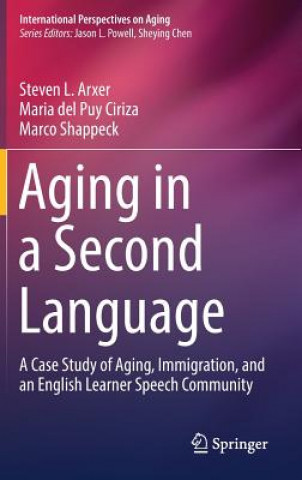
Aging in a Second Language
 Engels
 212 b
212 b
Tot 30 dagen retourrecht
Klanten kochten ook



 /
/
 Gebonden (paperback)
 52.54
€
52.54
€







This unique account of English language acquisition by Latino elders shines intimate light on the increasingly complex concerns of aging immigrant minority populations. Rich qualitative findings detail sociocultural barriers to and social and emotive factors that promote second language acquisition in older age. The book's case study highlights diverse cognitive and social processes as elders establish a sense of self as learners and as part of a learning community, and a sense of place as newcomers navigating a challenging environment. And first-person comments from the group members deftly illustrate the intricacies of being an immigrant in a rapidly changing America as well as the myriad intersections of race/ethnicity, gender, culture, and country that shape immigrant life. Included in the coverage: Minority aging in an immigrant context. Late-life second language acquisition: cognitive and psycholinguistic changes, challenges, and opportunities. Building emotions for self-identity and learning. Practicing safe language socialization in private and public spaces. Language resocialization and gender allies. Aging, second language acquisition, and health. Aging in a Second Language gives clinical social workers, gerontologists, health and cross-cultural psychologists, sociologists, educators and other professionals deep insights into the lives of an emerging active elder population. It also pinpoints challenges and opportunities in research, literacy program design, pedagogy, clinical outreach, education policy, and service delivery to immigrant elders.


Informatie over het boek
Engels
Categorieën

Geef dit boek vandaag nog cadeau
Dat gaat heel eenvoudig
1 Voeg het boek toe aan je winkelwagentje en selecteer Als cadeau bezorgen 2 Je krijgt van ons per omgaand een voucher 3 Het boek wordt bezorgd op het adres van de ontvangerDit vind je misschien ook interessant




Hoi! Ik ben Libroamiko, je boekadviseur.
Hoe kan ik je helpen?