
 Contact
 Hoe winkelen bij ons werkt
Bezorging
Winkelgids
 Engels
 237 b
237 b
Tot 30 dagen retourrecht
Klanten kochten ook


 /
/
 Gebonden (harde band)
 23.45
€
23.45
€

 /
Gebonden (paperback)
62.38
€
/
Gebonden (paperback)
62.38
€


 /
Gebonden (harde band)
7.78
€
/
Gebonden (harde band)
7.78
€





 /
Gebonden (harde band)
7.47
€
/
Gebonden (harde band)
7.47
€




 /
Gebonden (paperback)
39.22
€
/
Gebonden (paperback)
39.22
€




 /
Gebonden (paperback)
15.66
€
/
Gebonden (paperback)
15.66
€

 /
Gebonden (paperback)
15.36
€
/
Gebonden (paperback)
15.36
€


 /
Gebonden (paperback)
64.00
€
/
Gebonden (paperback)
64.00
€

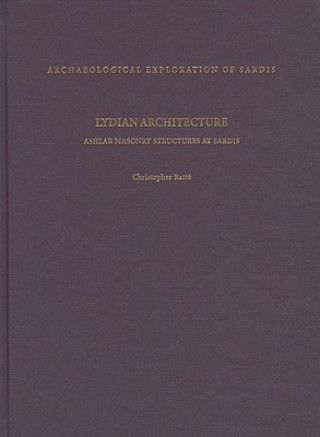
From the sixth to the fourth century B.C., the western Anatolian region of Lydia was home to a distinctive local tradition of ashlar masonry construction. The earliest datable example of fine stone masonry in the environs of Sardis, the capital of the Lydian empire, is the tomb of King Alyattes, who died in ca. 560 B.C. Contemporary monuments include a city gate and monumental terraces. Alyattes' son Croesus was overthrown by the Persians in 547 B.C., but the Lydian building tradition survived in chamber tombs at Sardis and throughout Lydia. This richly illustrated volume examines the monuments of Sardis and environs in the context of contemporary developments in Lydia and throughout the ancient Mediterranean and Near East. The study of Lydian architecture illuminates traditions of Anatolian kingship, technological exchange between Lydia and Greece and the Near East, and the origins of Persian imperial architecture.


Informatie over het boek
Engels

Geef dit boek vandaag nog cadeau
Dat gaat heel eenvoudig
1 Voeg het boek toe aan je winkelwagentje en selecteer Als cadeau bezorgen 2 Je krijgt van ons per omgaand een voucher 3 Het boek wordt bezorgd op het adres van de ontvangerDit vind je misschien ook interessant





 /
Gebonden (harde band)
149.64
€
/
Gebonden (harde band)
149.64
€




 /
Gebonden (paperback)
8.58
€
/
Gebonden (paperback)
8.58
€










 /
Gebonden (harde band)
117.28
€
/
Gebonden (harde band)
117.28
€


Hoi! Ik ben Libroamiko, je boekadviseur.
Hoe kan ik je helpen?