
 Contact
 Hoe winkelen bij ons werkt
Bezorging
Winkelgids
 Engels
 141 b
141 b
Tot 30 dagen retourrecht
Klanten kochten ook

 /
/
 Gebonden (paperback)
 14.25
€
14.25
€








 /
Gebonden (paperback)
30.53
€
/
Gebonden (paperback)
30.53
€

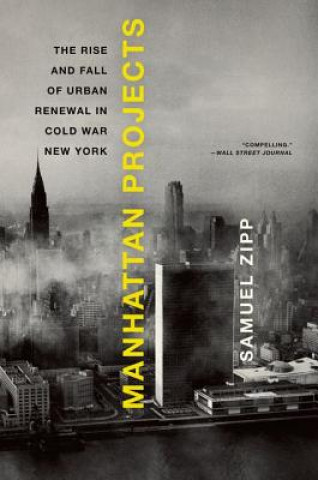
In a book praised by Times Literary Supplement as "richly detailed and thoughtfully written" and by Wall Street Journal as "compelling," Samuel Zipp sheds new light on the rise and fall of urban renewal in the decades after World War II. Focusing on four iconic "Manhattan projects"--the United Nations building, Stuyvesant Town, Lincoln Center, and the great swaths of public housing in East Harlem--Zipp unearths a host of forgotten stories and characters that flesh out the conventional history of urban renewal. He shows how boosters hoped to make Manhattan the capital of modernity and a symbol of American power, but even as the builders executed their plans, a chorus of critics revealed the dark side of those visions, attacking urban renewal for perpetuating deindustrialization, racial segregation, and class division, for uprooting thousands, and for implanting a new, alienating cityscape. Urban renewal was not merely a failed planning ideal, Zipp concludes, but also a crucial phase in the transformation of New York into a world city, but one mired in urban crisis. The book won Honorable Mention for the Ellis W. Hawley Prize of the Organization of American Historians.


Informatie over het boek
Engels
Categorieën

Geef dit boek vandaag nog cadeau
Dat gaat heel eenvoudig
1 Voeg het boek toe aan je winkelwagentje en selecteer Als cadeau bezorgen 2 Je krijgt van ons per omgaand een voucher 3 Het boek wordt bezorgd op het adres van de ontvangerDit vind je misschien ook interessant




 /
Gebonden (paperback)
12.12
€
/
Gebonden (paperback)
12.12
€




 /
Gebonden (harde band)
29.72
€
/
Gebonden (harde band)
29.72
€









Hoi! Ik ben Libroamiko, je boekadviseur.
Hoe kan ik je helpen?