
 Contact
 Hoe winkelen bij ons werkt
Bezorging
Winkelgids
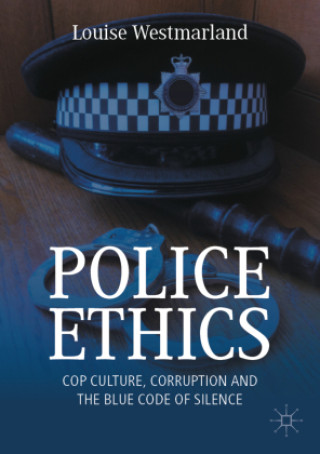
Police Ethics
Cop Culture, Corruption and the Blue Code of Silence
 Engels
 116 b
116 b
Tot 30 dagen retourrecht
Klanten kochten ook


 /
/
 Gebonden (paperback)
 42.73
€
42.73
€


 /
Gebonden (paperback)
48.50
€
/
Gebonden (paperback)
48.50
€
 /
Gebonden (paperback)
57.92
€
/
Gebonden (paperback)
57.92
€





 /
Gebonden (paperback)
13.16
€
/
Gebonden (paperback)
13.16
€

 /
Gebonden (paperback)
16.50
€
/
Gebonden (paperback)
16.50
€

 /
Gebonden (paperback)
25.11
€
/
Gebonden (paperback)
25.11
€

"This book is an important analysis of how police themselves define and respond to police corruption and wrongdoing. It offers special insights into this hard to research issue because it is based on using similar techniques of study on samples of police over time and in different jurisdictions, all linked by an autoethnographic account by Professor Westmarland an internationally celebrated expert on the topic narrating her engagement with the problems of police corruption and culture. This provides a revealing account of variations over time and between places. Clearly and engagingly written this is essential reading for students, scholars, practitioners and policy makers concerned about policing and its legitimacy."
-Robert Reiner, Emeritus Professor of Criminology, LSE
Outlining over 20 years of in-depth research on police culture and the blue code of silence, this book draws upon first hand research with serving police officers and some support staff. These studies include analyses of recent (post 1950s) histories of police cultural research, concentrating on ethics and integrity, up to present day reflections on the UK College of Policing s introduction of a code of ethics in 2014 and beyond. It asks whether anything has changed over the years, using relevant studies as examples, and what the potential lessons learnt are from the various scandals that have come to light. The questionnaires and research instruments used are included in the text for replication purposes, and alongside this the ethics of such studies are discussed. This book will speak to police officers including those enrolled on police degrees, policing scholars and students, and criminologists.


Informatie over het boek
Engels

Geef dit boek vandaag nog cadeau
Dat gaat heel eenvoudig
1 Voeg het boek toe aan je winkelwagentje en selecteer Als cadeau bezorgen 2 Je krijgt van ons per omgaand een voucher 3 Het boek wordt bezorgd op het adres van de ontvangerDit vind je misschien ook interessant
 /
Gebonden (paperback)
19.33
€
/
Gebonden (paperback)
19.33
€


 /
Gebonden (paperback)
35.74
€
/
Gebonden (paperback)
35.74
€
 /
Gebonden (harde band)
126.39
€
/
Gebonden (harde band)
126.39
€



 /
Gebonden (paperback)
6.78
€
/
Gebonden (paperback)
6.78
€
 /
Gebonden (paperback)
77.37
€
/
Gebonden (paperback)
77.37
€





Hoi! Ik ben Libroamiko, je boekadviseur.
Hoe kan ik je helpen?