
 Contact
 Hoe winkelen bij ons werkt
Bezorging
Winkelgids
Mapping the Cold War
 Engels
 49 b
49 b
Klanten kochten ook

 /
/
 Gebonden (harde band)
 208.48
€
208.48
€

 /
Gebonden (harde band)
10.98
€
/
Gebonden (harde band)
10.98
€





 /
Gebonden (paperback)
17.14
€
/
Gebonden (paperback)
17.14
€


 /
Gebonden (paperback)
38.22
€
/
Gebonden (paperback)
38.22
€

 /
Gebonden (paperback)
29.95
€
/
Gebonden (paperback)
29.95
€


 /
Gebonden (harde band)
17.14
€
/
Gebonden (harde band)
17.14
€

 /
Gebonden (paperback)
13.51
€
/
Gebonden (paperback)
13.51
€


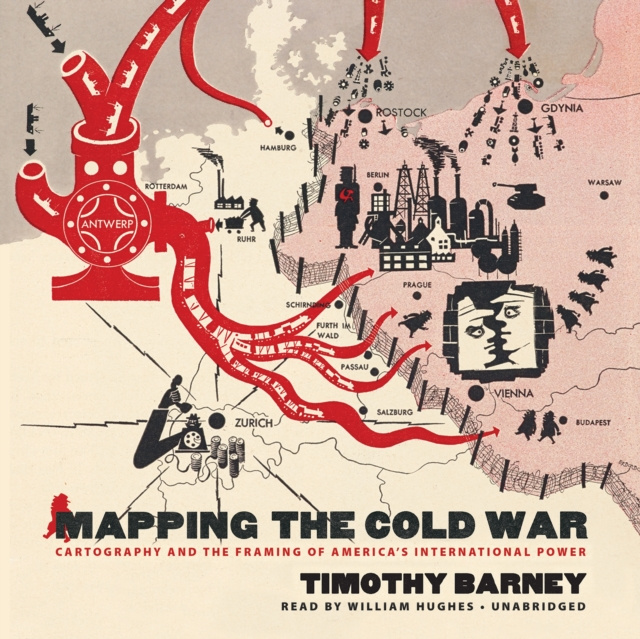
In this fascinating history of Cold War cartography,Timothy Barney considers maps as central to the articulation of ideologicaltensions between American national interests and international aspirations.Barney argues that the borders, scales, projections, and other conventions ofmaps prescribed and constrained the means by which foreign policy elites,popular audiences, and social activists navigated conflicts between north and south,east and west. Maps also influenced how identities were formed in a world bothshrunk by advancing technologies and marked by expanding and shiftinggeopolitical alliances and fissures. Pointing to the necessity of how politicsand values were "e;spatialized"e; in recent US history, Barney argues that Cold War-eramaps themselves had rhetorical lives that began with their conception andproduction and played out in their circulation within foreign policy circlesand popular media.Reflecting on the ramifications of spatial powerduring the period, Mapping the Cold Warultimately demonstrates that even in the twenty-first century, American visionsof the world-and the maps that account for them-are inescapably rooted in theanxieties of that earlier era.


Informatie over het boek
Engels

Geef dit boek vandaag nog cadeau
Dat gaat heel eenvoudig
1 Voeg het boek toe aan je winkelwagentje en selecteer Als cadeau bezorgen 2 Je krijgt van ons per omgaand een voucher 3 Het boek wordt bezorgd op het adres van de ontvangerDit vind je misschien ook interessant




 /
Gebonden (paperback)
10.28
€
/
Gebonden (paperback)
10.28
€





 /
Gebonden (paperback)
54.56
€
/
Gebonden (paperback)
54.56
€










 /
Gebonden (paperback)
51.53
€
/
Gebonden (paperback)
51.53
€

Hoi! Ik ben Libroamiko, je boekadviseur.
Hoe kan ik je helpen?